

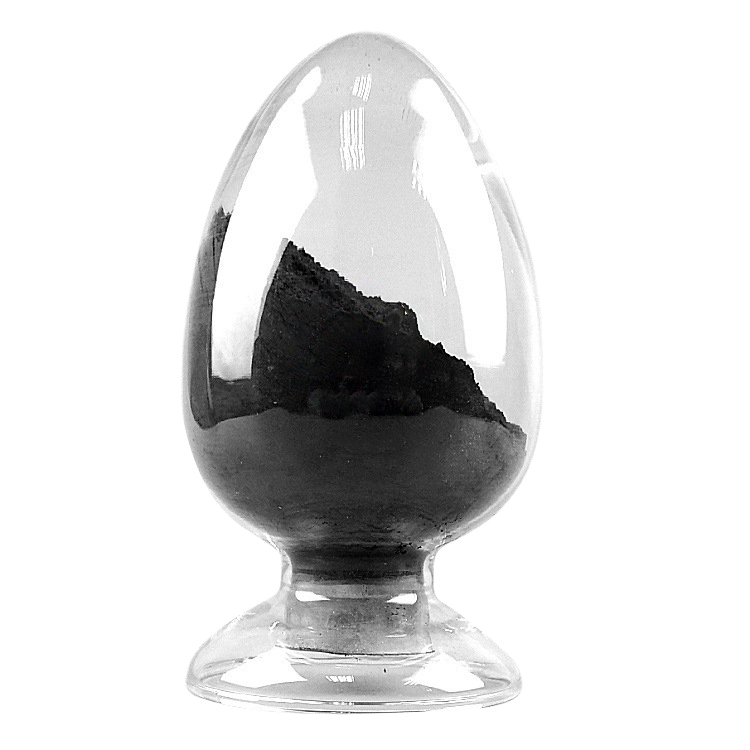
Dispersants or dispersing agents are substances that aid in the uniform distribution of particles or materials such as nanoparticles in a medium. Dispersing nanoparticles can be a challenging task due to their high surface area, tendency to agglomerate and their small size. In this article, we will discuss the basic principles of using dispersants in dispersing nanoparticles.
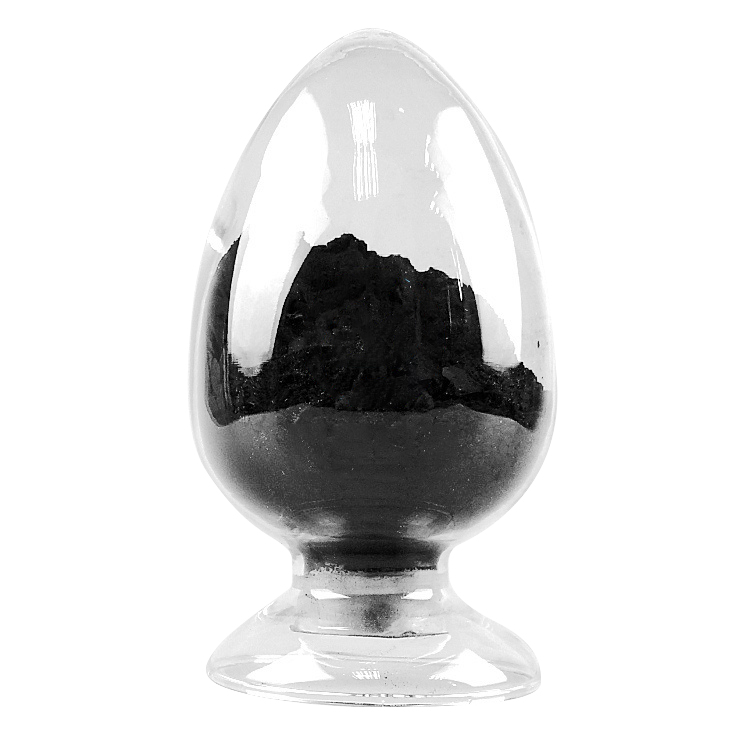
When making certain products, such as paints, coatings and electronics, it is necessary to use nanopowders. However, these powders can be difficult to disperse and can clump together, causing issues with product quality. To combat this problem, dispersants are used to effectively separate and disperse these powders. In this article, we will discuss the use and benefits of dispersants for the dispersion of nanopowders.
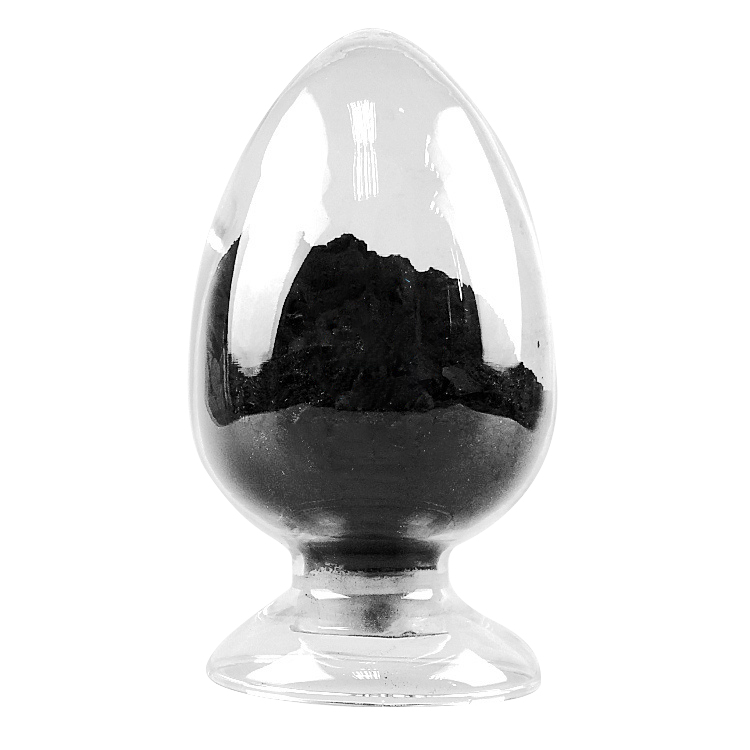
Thermal nanomaterials have been gaining popularity in various industries due to their excellent heat conductivity and high thermal stability. As a leading provider of quality thermal nanomaterials, SAT NANO has been receiving many inquiries about the ideal amount of thermal nanomaterials to add. In this article, we will discuss the factors to consider when determining how much thermal nanomaterials to add and the benefits of adding the right amount.
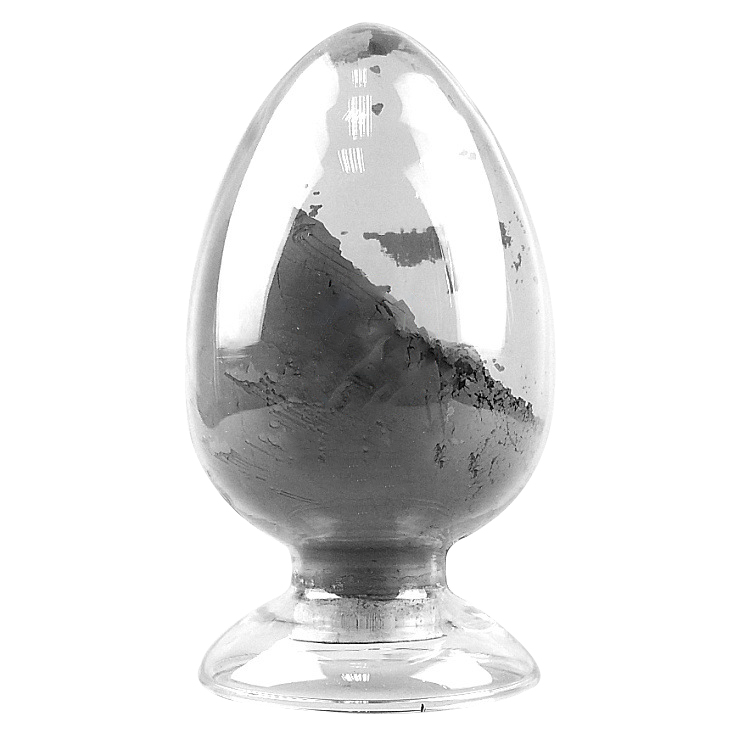
As market demand for ultrafine nanopowders continues to grow, industries are looking for reliable ways to measure the particle size distribution of these materials. In this article, we will explore some of the most popular methods for measuring the particle size distribution of ultrafine nanopowders and highlight how SAT NANO is leading the way in providing high-quality ultrafine nanopowders.
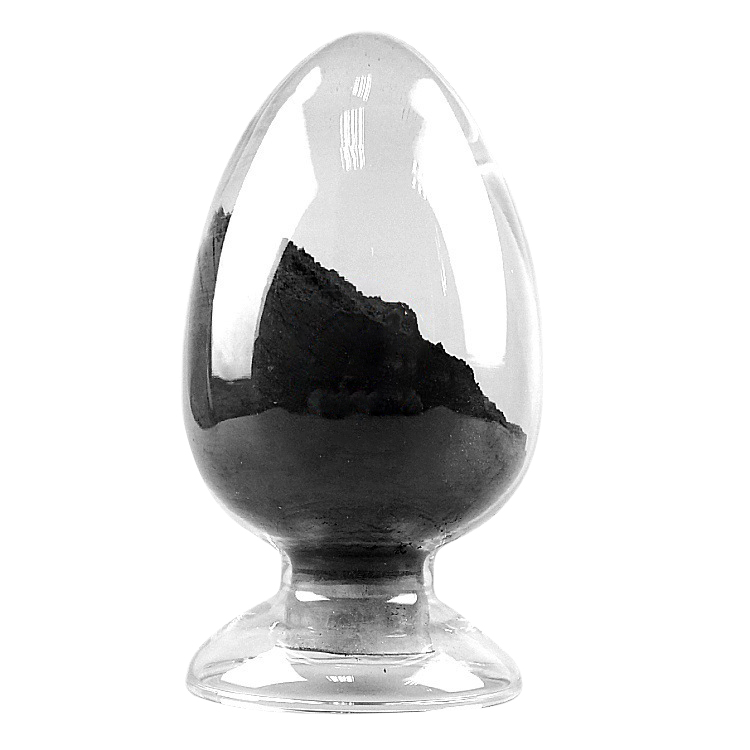
As one of the leading manufacturers of high-quality ultrafine powders, SAT NANO has always been at the forefront of developing innovative surface coating methods. Surface coating is an essential process for improving the performance of ultrafine powders, as it enhances the properties of powders such as dispersion, adhesion, stability, and solubility. In this article, we will discuss some of the most popular surface coating methods used for ultrafine powders.
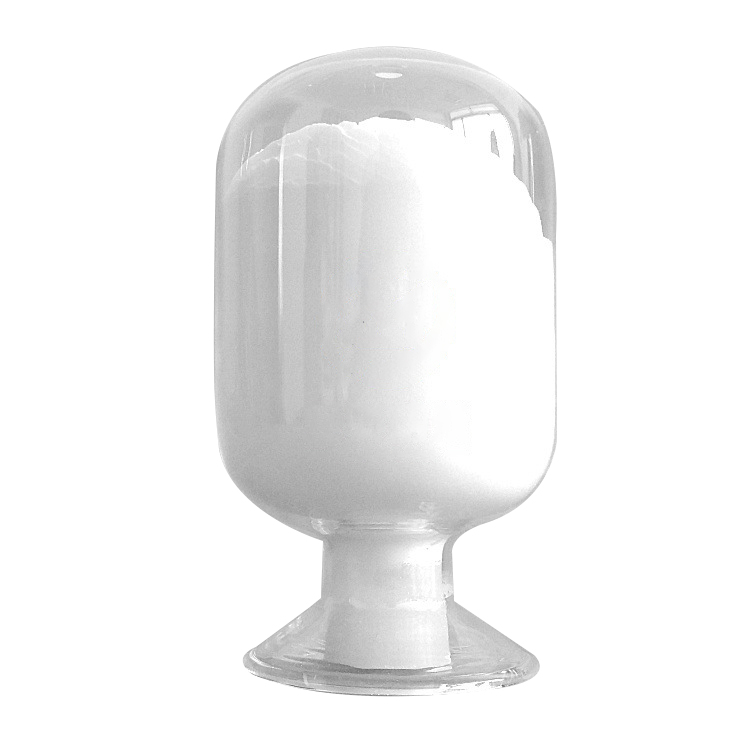
Alpha and Gamma alumina are two of the most widely used types of alumina in various industrial applications. Though both types are derived from the same raw material, they differ in terms of properties, structures, and behaviour, making them suitable for distinct applications. In this blog post, we will explore the differences between alpha and gamma alumina and how these differences impact their functionality.


